FlexGuard Official Website › Blog › Glucosamine at 500 mg
Does 500 mg of Glucosamine Sulfate Do Anything? One Row Read Closely
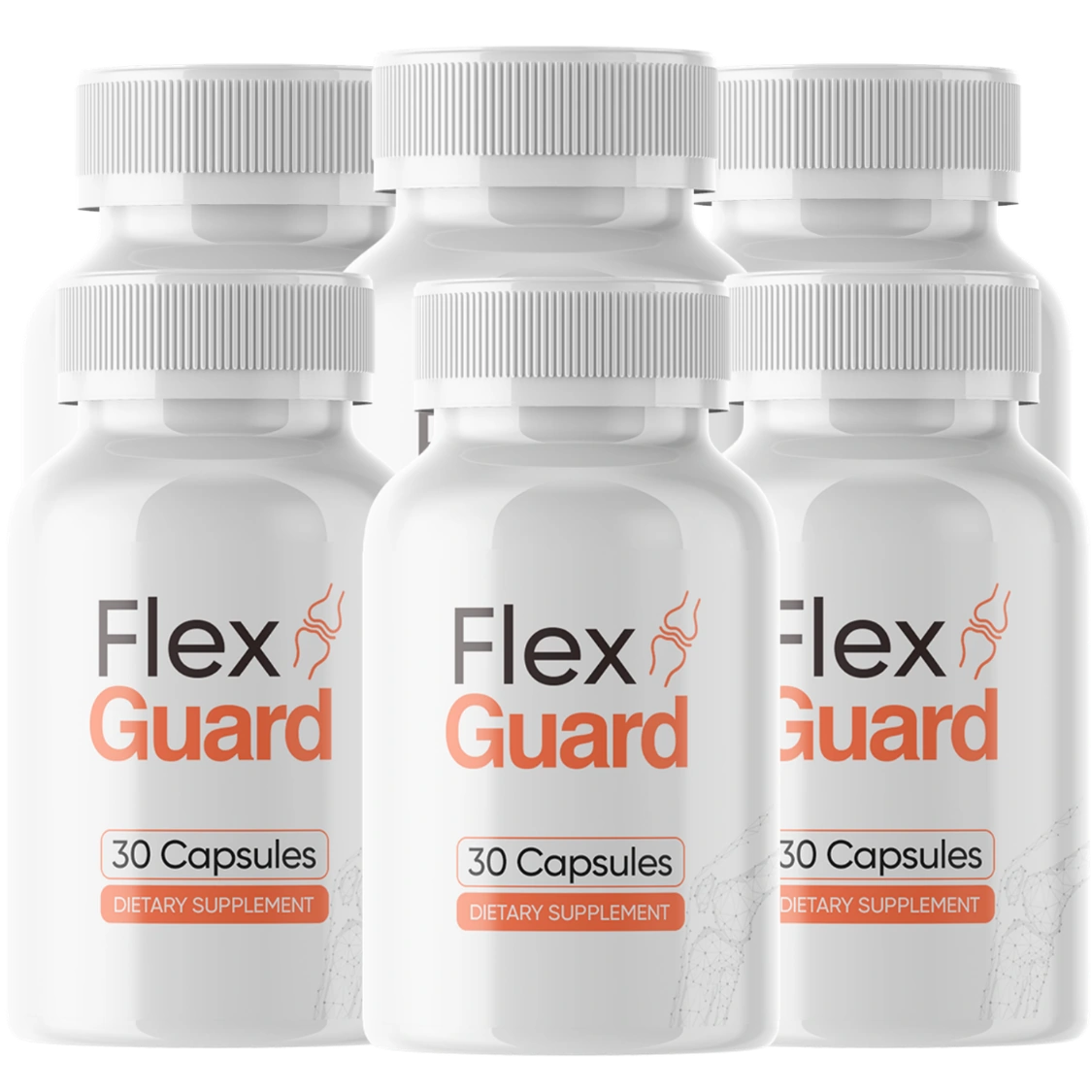
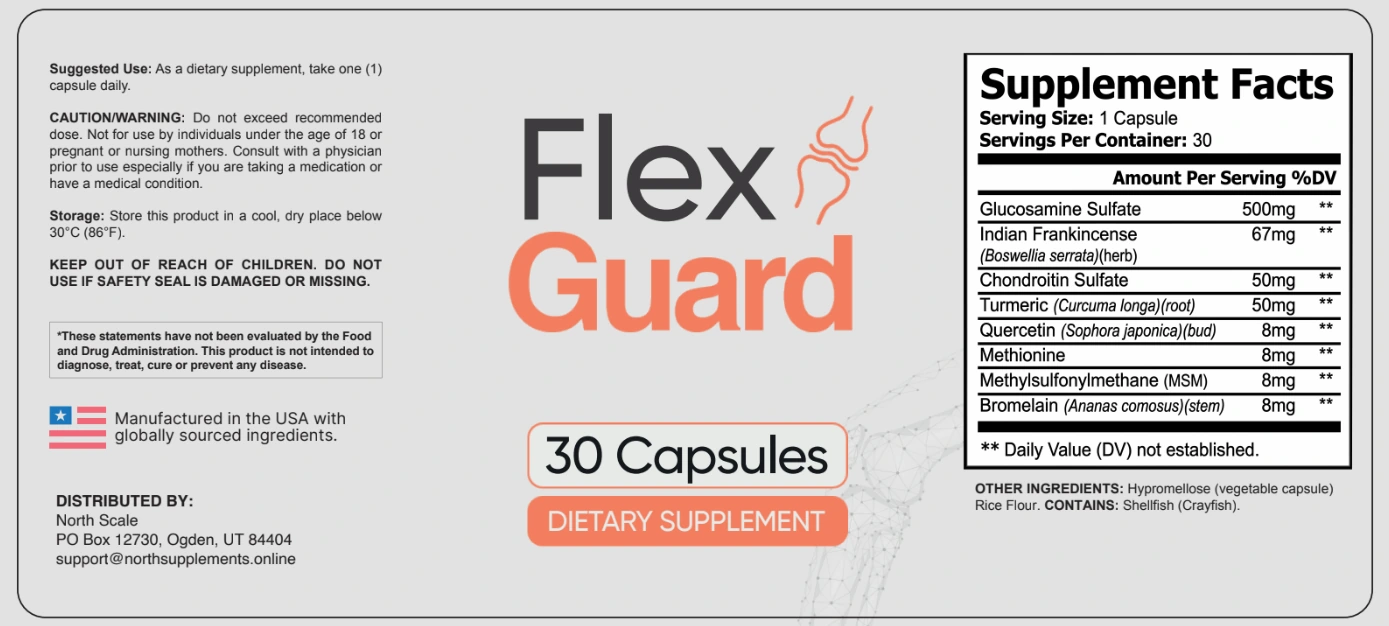
FlexGuard prints 500 mg of glucosamine sulfate, which is 71 per cent of its active weight. Every major trial this site names used 1,500 mg a day, so the row is a third of that. No trial of this formula exists, and the larger studies disagree about glucosamine itself.
Glucosamine is the biggest row on the FlexGuard panel and the best-known name in the joint aisle. Many people ask a plain question: is half a gram enough to matter?
No honest page can answer that for your body. What a page can do is put the number beside the studies. That is what follows.
What is glucosamine sulfate, and why does the label say crayfish?
Glucosamine is an amino sugar. The body makes it from glucose and uses it to build the chains that give cartilage its structure. A capsule gets its glucosamine from outside the body.
For supplements it is made from crustacean shell. That is why the FlexGuard panel reads Contains: Shellfish (Crayfish). The label even names the species.
The same line settles the vegan question. The capsule shell is hypromellose, a plant material. The glucosamine inside it is not plant material, so the product is not vegan or vegetarian.
What did the big glucosamine trials use?
Three sources carry most of the weight, and they all used the same daily amount.
| Source | Who and how long | Daily glucosamine | Reported result |
|---|---|---|---|
| GAIT trial | 1,583 people, six months | 1,500 mg (with chondroitin 1,200 mg in one arm) | Neither supplement arm separated significantly from placebo overall |
| Cochrane review | 20 studies, 2,570 people | Varied by preparation | A Rotta product beat placebo. Pooled non-Rotta products did not |
| Three-year Lancet trial | Three years of follow-up | 1,500 mg | Changes in symptoms and joint space were reported |
From the sources named on the FlexGuard ingredients page.
These studies do not agree with each other. That is the first thing to know about glucosamine. The second is that the dose in all three was 1,500 mg a day.
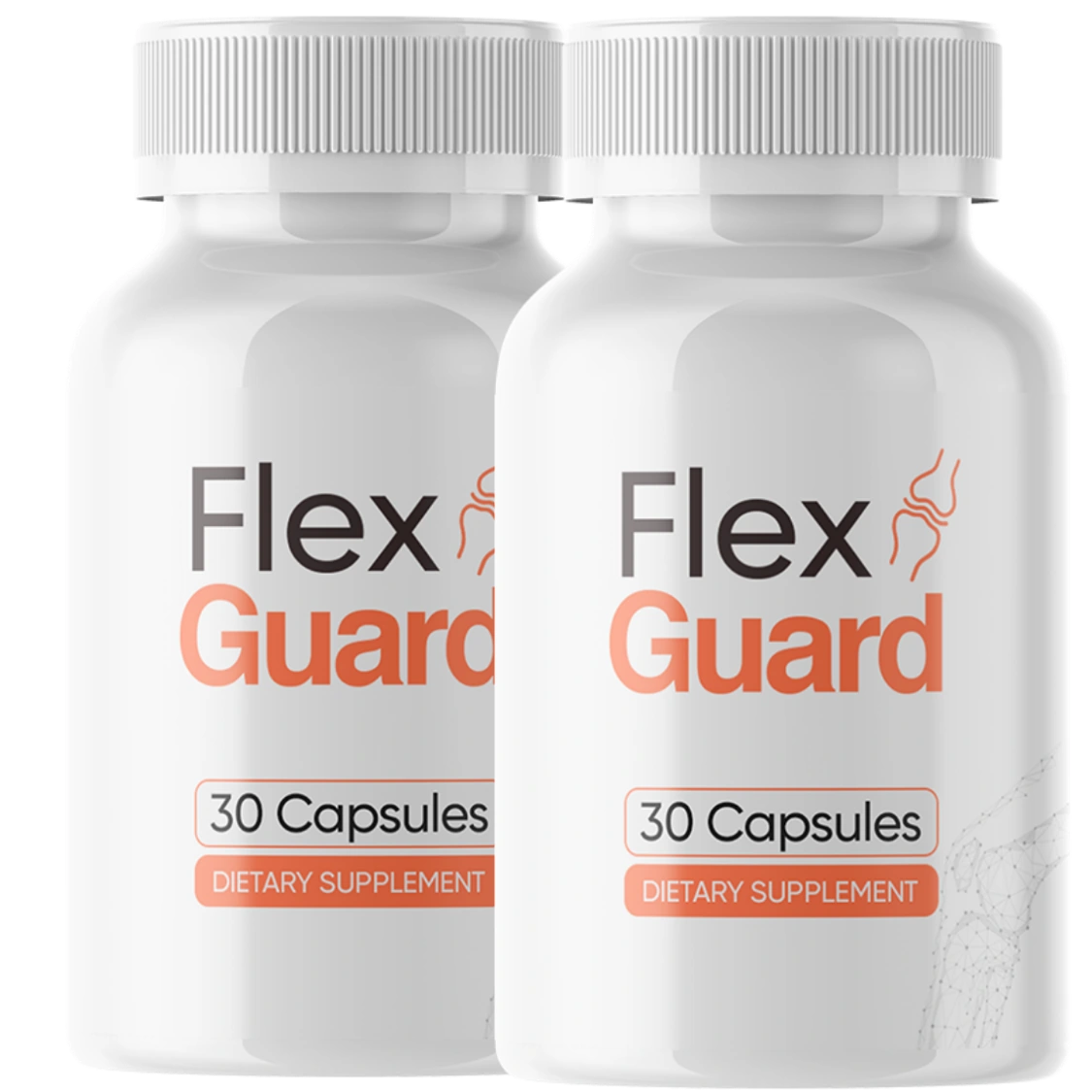
Two bottles cover 60 days, the same window as the guarantee. The checkout shows the current price.
See today's price and guarantee
Disclosure: this desk earns from orders placed through the checkout on this site. BuyGoods, the retailer at the checkout, shows the current price.
How far is 500 mg from 1,500 mg?
The gap is a clean third. FlexGuard carries 500 mg. The trials used 1,500 mg. Two more capsules would reach 1,500 mg of glucosamine only by tripling every row, and the label says not to exceed one capsule a day.
So there are two honest readings. One says the row is untested at this amount, not tested and found wanting. The other says the seller chose breadth over depth, with eight actives in one capsule. Both readings are fair.
The seller does not publish a trial of the formula, and it does not claim one. The ingredients page shows all eight rows beside their research amounts.
Does the word sulfate matter?
It may. The Cochrane review found that the result depended on which preparation was tested. A particular glucosamine sulfate product beat placebo, and the pooled other preparations did not.
The FlexGuard label prints Glucosamine Sulfate. It does not say whose preparation it is, how it was made or whether it matches the product that did well in that review. Those details are not published.
That is not a hidden flaw. It is a gap in the paperwork that a buyer should know about. If it matters to you, call the order desk on +1 (877) 257-0710 and ask what the seller can state.
What do the 2019 guidelines say?
Two clinical guidelines have looked at the whole pile of studies. In 2019 the American College of Rheumatology advised against glucosamine for osteoarthritis of the knee, hip and hand. The OARSI guidelines of the same year stopped short of endorsing it for symptom relief.
FlexGuard is not sold for osteoarthritis, and it does not treat, prevent or manage arthritis. It is a dietary supplement that is not FDA approved. Still, the guidelines are the context any fair reader should know.
NCCIH has a plain-language page on glucosamine and chondroitin for readers who want a neutral overview.
Are there safety points to know about glucosamine?
Two come up often. The first is warfarin. There are reports of a raised INR when people on warfarin take glucosamine, and a case report with a review of the MedWatch database sets this out. If you take warfarin, ask your prescriber before the first capsule.
The second is blood sugar. One review of oral glucosamine and glucose metabolism saw nothing clinically significant at standard doses, in people with diabetes or without. FlexGuard holds only a third of that standard amount.
Neither point replaces advice from your own doctor. The label says to consult a physician if you take medication or have a medical condition.
What would a fair test of this row look like?
- Write down two numbers before the first capsule, such as minutes of morning stiffness and the distance you walk before you notice a joint.
- Change nothing else for four weeks.
- Take the same two measurements at week four and week eight.
- Decide before day 60, counted from the date of purchase.
The distributor says buyers usually wait 3 to 6 weeks. The studies behind these ingredients ran eight to twelve weeks at larger amounts. A verdict in week one tells you about the bottle, not the capsule.
- Label: Glucosamine Sulfate 500 mg per capsule, one capsule a day, 30 to a bottle.
- It is about 71 per cent of the 699 mg of declared actives.
- GAIT, the Cochrane review and the three-year trial all centre on 1,500 mg a day. The row is a third of that.
- The panel declares Contains: Shellfish (Crayfish). It is not vegan or vegetarian.
- A 2019 ACR guideline advised against glucosamine for knee, hip and hand osteoarthritis.
- Whose glucosamine sulfate preparation is used is not published.
Frequently asked questions
How much glucosamine is in FlexGuard?
Each capsule has 500 mg of glucosamine sulfate. The label sets one capsule a day, so the daily amount is 500 mg. A bottle holds 30 capsules.
Is 500 mg of glucosamine enough?
It is a third of the 1,500 mg a day used in GAIT and the three-year trial. No trial of this formula exists, so nobody can say whether 500 mg is enough for you.
Should I take extra capsules to reach 1,500 mg?
No. The label says not to exceed the recommended dose of one capsule a day. Extra capsules would also raise seven other rows that nobody has studied at those levels.
Is the glucosamine from shellfish?
Yes. The panel declares Contains: Shellfish (Crayfish). If you have a shellfish allergy, this product is not a candidate, whatever the research says about shell and muscle protein.
Can I take it with warfarin?
Ask your prescriber first. There are reports of a raised INR when people on warfarin take glucosamine, and it is the one interaction worth naming for this panel.
Does glucosamine affect blood sugar?
A review of the evidence saw no clinically significant effect at standard doses, and this capsule holds a third of that amount. Ask your doctor if you manage diabetes.
Our view
A third of the studied amount is not nothing, and it is not the tested dose either. That is the plain truth about this row. The label is honest about it by printing the figure. The seller is honest too by not claiming a trial.
If glucosamine at the trial amount is your main goal, this capsule is not built for that. If you want one capsule a day with every amount shown, it may suit you. Use the 60 days from purchase to run your own test, and speak to a doctor first.
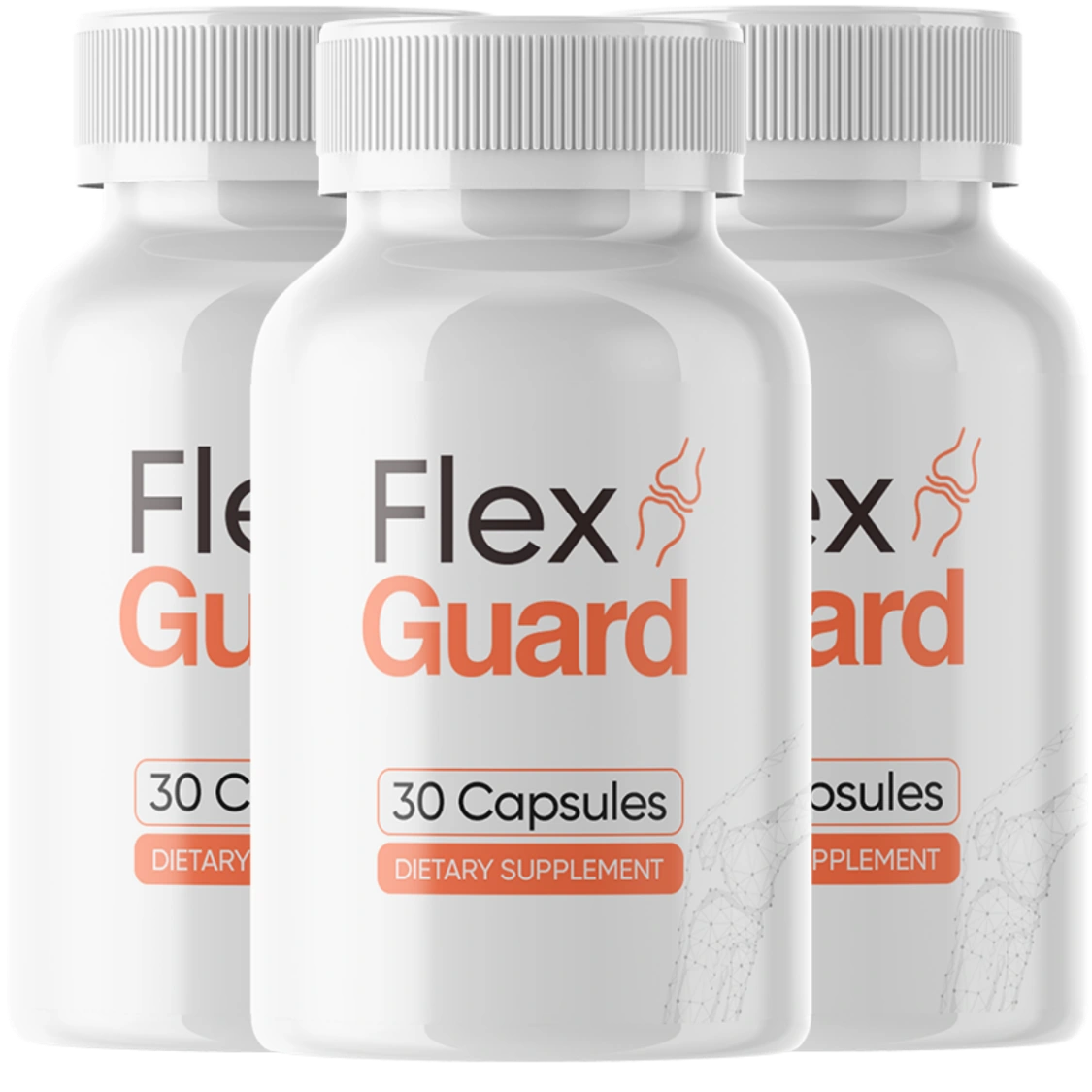
Three bottles cover 90 days, so the week-eight decision is about the capsule, not about running out.
See today's price and guarantee
Disclosure: this desk earns from orders placed through the checkout on this site. BuyGoods, the retailer at the checkout, shows the current price.
FlexGuard is a dietary supplement. It is not a drug, it is not FDA approved, and no dietary supplement is. These statements have not been evaluated by the Food and Drug Administration. This product is not intended to diagnose, treat, cure or prevent any disease. Ask a doctor about your own health, medicines and joints.
Sources named on this site
Last updated