FlexGuard Official Website › Verify A Batch
Verify A BatchVerify A FlexGuard Batch: What A Lot Code Proves, And What It Does Not
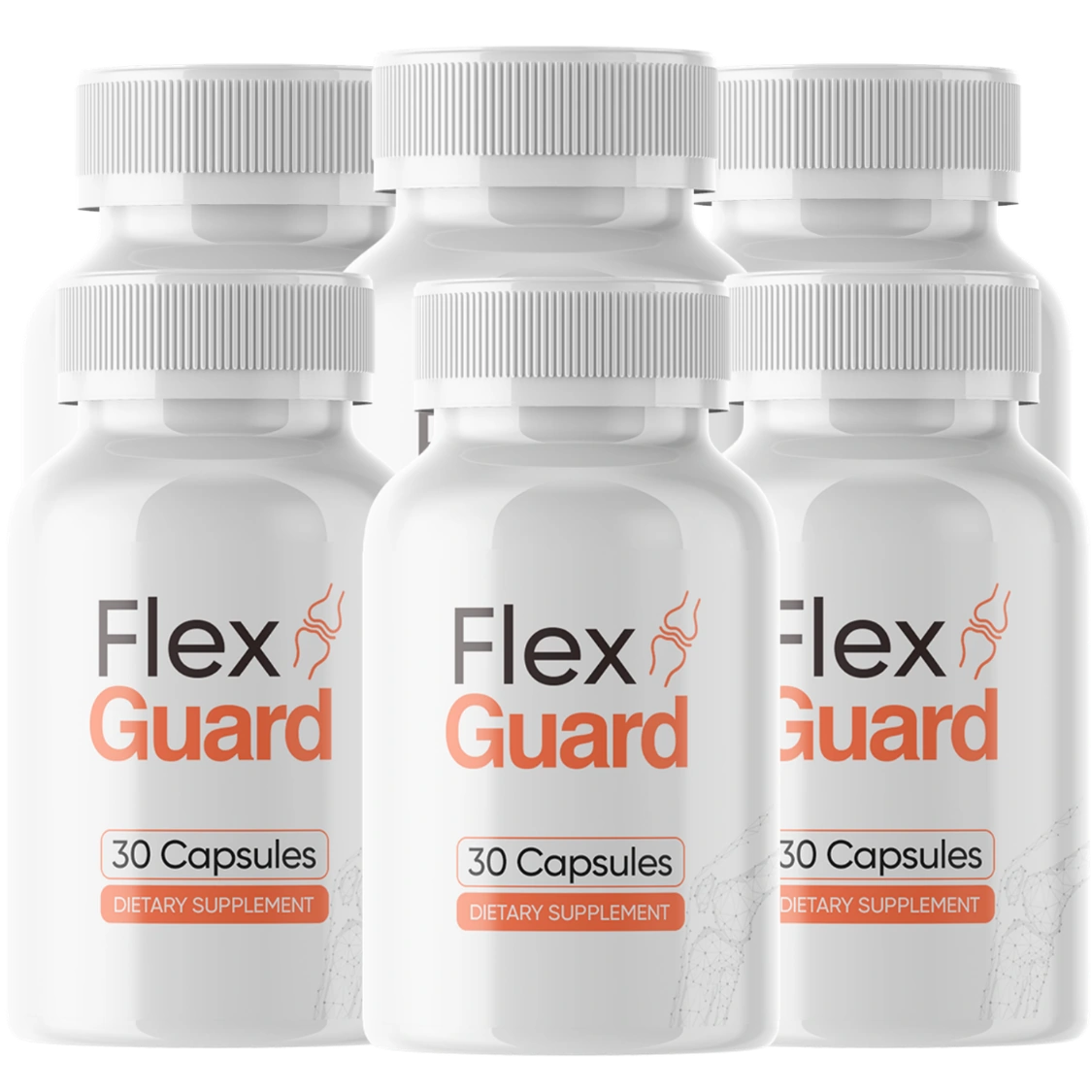
Bottles shipped from this desk carry lot FLE-26/FL-2166.
The certificate reference for that batch is FLE-2166-26-FL. Both are filing references rather than laboratory proof, and this page is careful about the difference because a batch page that overstates it is doing the opposite of its job.
Four checks anybody can do on a bottle in their hand, and a plain account of what each one establishes.
The four FlexGuard checks, in order
Four things, one of which has a deadline of about a minute.
Check the safety seal before you open anything
The label's own instruction is: “Keep out of reach of children. Do not use if safety seal is damaged or missing.” This is the only check with a deadline, because a broken seal reported on the day the parcel arrives is a replacement and the same report in month four is a conversation.
Read the panel against this website
Eight rows, the amounts, the other-ingredients line and the allergen declaration. The panel page prints all of it, in the format the federal labelling rule requires. A difference between the bottle and this page means the bottle is right and this page needs correcting.
Find the lot code and the best-before date
Both are on the bottle, usually printed on the base. The lot this desk ships is FLE-26/FL-2166. A different lot on a bottle bought elsewhere is not evidence of anything wrong; it simply means this desk cannot tell you anything about it.
Call the order desk with both, if anything looks wrong
+1 (877) 257-0710, with the order ID and the lot code. The website address in the footer cannot see orders and cannot look up a batch.
What the FlexGuard lot code and certificate reference actually establish
Four references on a bottle, and a column for what each one does not do.
| Reference | What it is | What it establishes | What it does not |
|---|---|---|---|
| Lot FLE-26/FL-2166 | A batch identifier printed on the bottle | Which production run a bottle belongs to, so a question can be matched to a batch record | That the bottle is genuine, that it was tested, or what any test found |
| Certificate reference FLE-2166-26-FL | A filing reference for that batch's paperwork | That paperwork exists and can be located by the people who hold it | A published certificate of analysis you can download and read |
| Best-before date | Printed on the bottle beside the lot | How long the manufacturer stands behind the product's stated content | That the bottle was stored correctly between leaving the facility and reaching you |
| The safety seal | A physical tamper-evident closure | That the bottle has not been opened since it was sealed | Anything about what is inside it |
Four references, and none of them is a laboratory result. That is stated plainly here because the alternative is to let a code look like a test.
A great many supplement websites present a lot code as though it were a certificate. It is not. It is a record-keeping tool, and its entire value is that it lets a specific bottle be matched to a specific production run when somebody asks a question about it.
That is genuinely useful and it is worth having. It is simply not the same thing as an independent test result, and this desk holds no independent test result for this product.
A certificate of analysis from a named laboratory, dated, naming the batch, listing the assays run and printing the results against specification. This desk does not hold one for this product and does not publish a document it does not hold. The testing and quality page sets out what the seals on the pack do and do not establish.
If a FlexGuard bottle does not match this website
Five mismatches, and which desk handles each one.
- A different panel. Photograph it and write to the website address. If the label has changed, this website is out of date and needs correcting, which is a correction this desk wants to make.
- A broken or missing seal. Do not use it. Call the order desk the same day.
- A different lot code, bought here. Call the order desk with both the lot and the order ID.
- A different lot code, bought elsewhere. That is the other seller's question rather than this desk's, and their returns policy is the one that applies.
- A best-before date that has passed. Do not use it. If it was bought here and shipped recently, the desk will want to know.
The first of those is the one this desk would most like to hear about. A label change that this website has not caught up with is the single likeliest way a page here goes wrong, and [email protected] is the address that reads it. Corrections go onto the page itself and move the review date forward.
Where the numbers on a FlexGuard bottle are printed
Five things, and only two of them are printed where a buyer would look first.
| What | Where to look | What it looks like |
|---|---|---|
| Lot code | The base of the bottle, or the lower edge of the label | A short alphanumeric string. This desk ships FLE-26/FL-2166 |
| Best-before date | Beside the lot code, on the base | A month and a year rather than a full date, in most cases |
| Certificate reference | Not on the bottle | A filing reference held by the desk: FLE-2166-26-FL |
| Serving size and count | In the Supplement Facts panel on the label | 1 capsule, 30 servings per container |
| Distributor | Beneath the panel on the label | Printed for North Scale |
The two references a buyer can read are on the bottle itself. The certificate reference is a desk record, which is why it appears on this website rather than on the packaging.
Bottles in this category print the lot and the date on the base far more often than on the front, and the printing is usually a pale ink dot-matrix that is hard to photograph. Tilting the bottle under a light works better than a flash, which is a small practical point that saves a phone call.
Because a reference somebody can quote back is more useful than a reference held quietly. It is not a document you can download and this page says so twice, but it does mean a question about a batch can be matched to the paperwork that exists rather than to a shrug.
What a FlexGuard batch record is for
One paragraph of mechanism that explains all four checks above.
A batch record exists so that a question about one bottle can be answered about every bottle made at the same time. If somebody reports a seal that failed, a capsule that looked wrong or a bottle that arrived short, the lot code is what turns one report into a check across a production run.
That is the whole mechanism, and it is worth understanding because it explains what a lot code is good for and what it is not. It is a tracing tool. It answers the question which batch, and it answers nothing else.
It also explains why buying from a channel that can identify the lot matters. A bottle from a marketplace reseller may be perfectly genuine and perfectly fine; it simply cannot be traced by this desk, so a report about it cannot be turned into a check on anything.
- A lot code is a record-keeping reference. Not a security feature and not a certificate.
- One lot covers many bottles. That is the point of it.
- A different lot is not a warning sign. Production runs change; this desk currently ships FLE-26/FL-2166.
- Quote it with the order ID. The desk needs both to find anything useful.
FlexGuard batches: short answers
What is the lot number?
FLE-26/FL-2166. It is printed on the bottle, usually on the base, and it is the reference this desk uses to match a bottle to a batch.
What is the certificate reference?
FLE-2166-26-FL. It is a filing reference for the batch paperwork rather than a laboratory report you can download.
Does the lot code prove the product is genuine?
No. It proves which batch a bottle belongs to. A lot code is a record-keeping tool rather than a security feature.
Where is the best-before date?
On the bottle, usually printed on the base beside the lot code rather than inside the Supplement Facts panel.
Who publishes this FlexGuard website?
- Code of Federal Regulations, Title 21, Section 101.36: Nutrition labeling of dietary supplements. Office of the Federal Register. https://www.ecfr.gov/current/title-21/chapter-I/subchapter-B/part-101/subpart-G/section-101.36
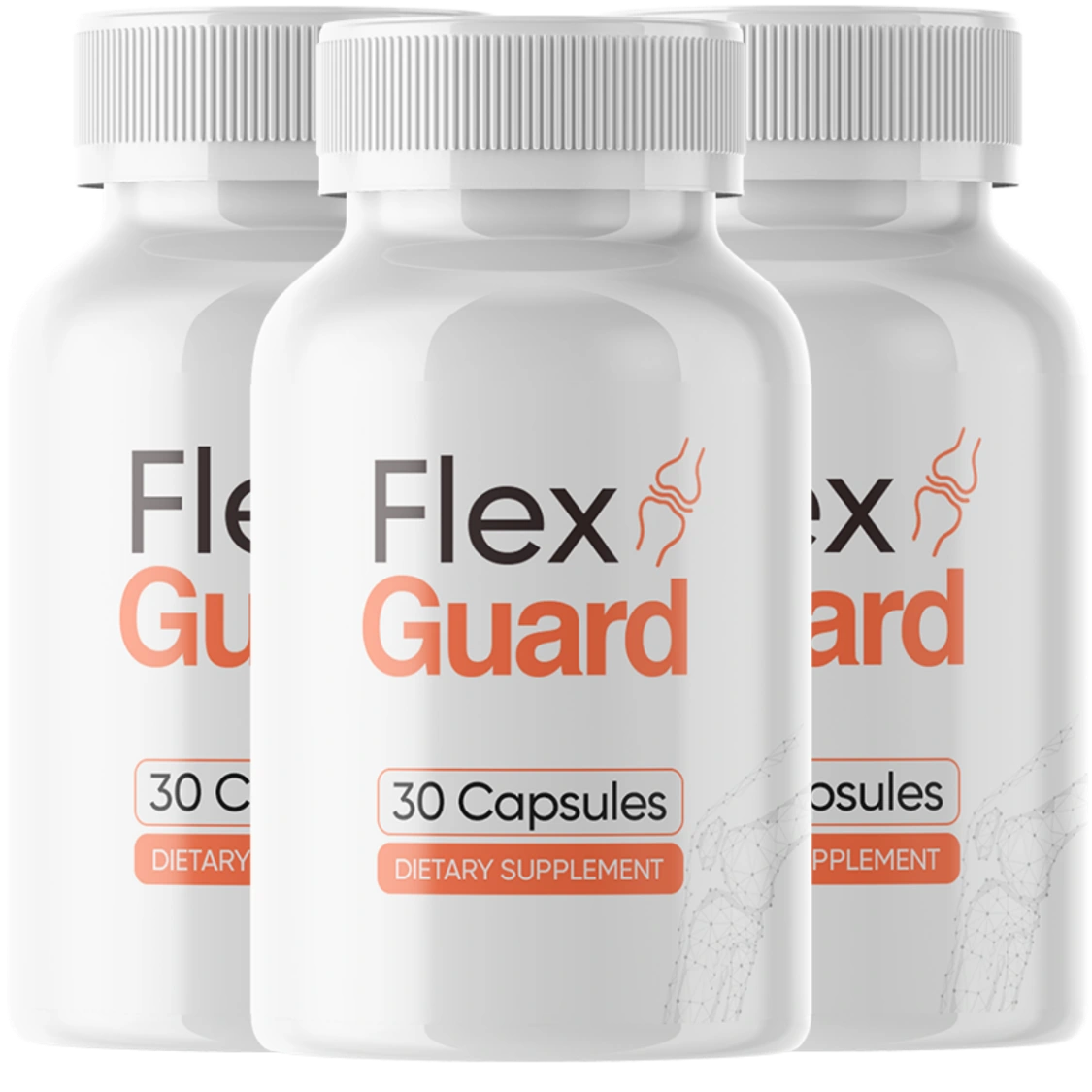
Every FlexGuard bottle from this desk carries one lot
Lot FLE-26/FL-2166, certificate reference FLE-2166-26-FL, and sixty days from purchase to change your mind.
Two bottles $158 · six bottles $294 · 60 days from purchase
Order FlexGuard On The Official WebsiteOne capsule a day · 30 per bottle · lot FLE-26/FL-2166