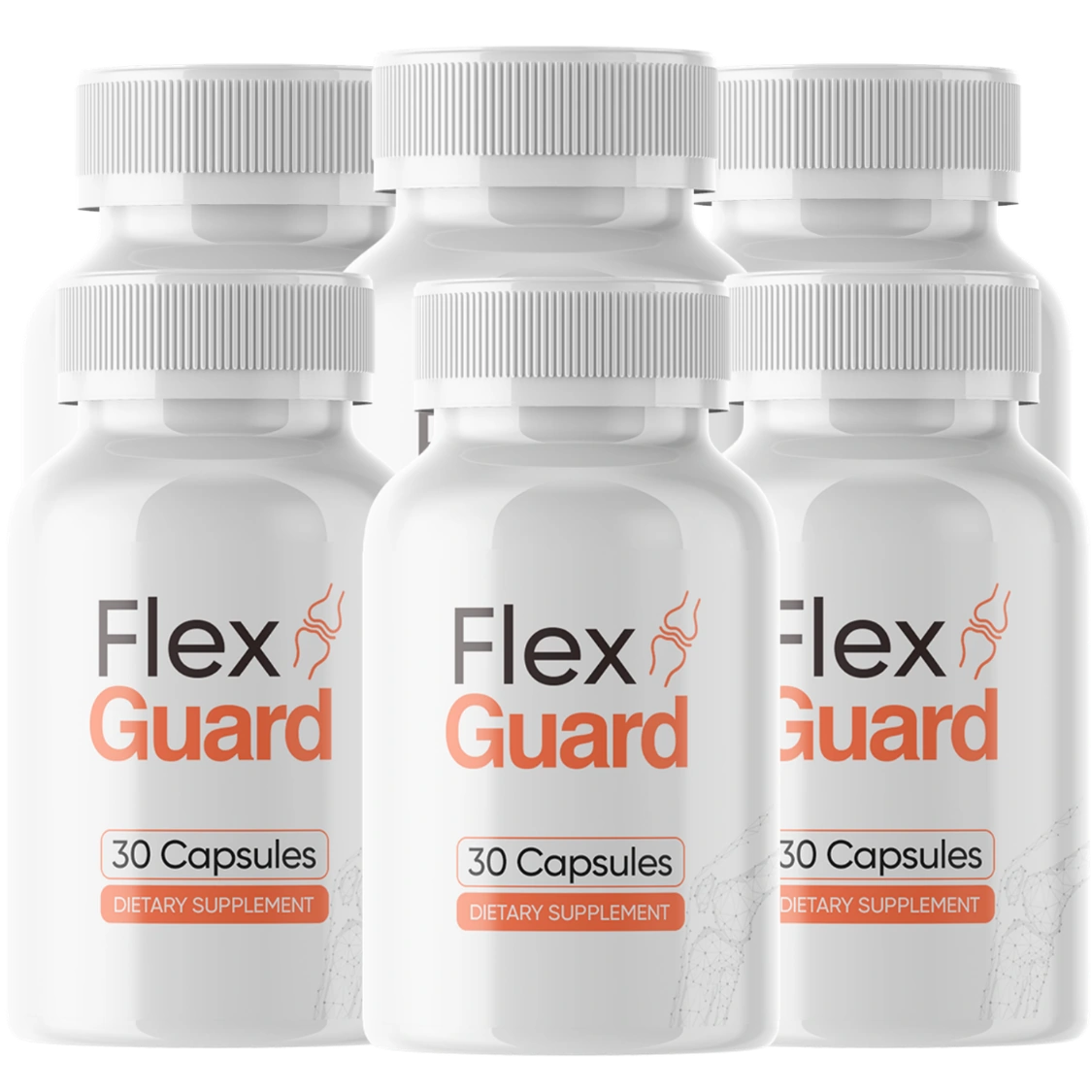
FlexGuard Official Website › Blog › Do Joint Supplements Help Arthritis?
Do Joint Supplements Help Arthritis, and What Does FlexGuard Claim?
Research on joint supplements for arthritis is mixed, and two 2019 guidelines do not back glucosamine for osteoarthritis. FlexGuard makes no arthritis claim. The seller says it supports joint comfort, mobility and everyday joint stress. It does not treat, prevent or manage arthritis, so ask your doctor about any diagnosed condition.
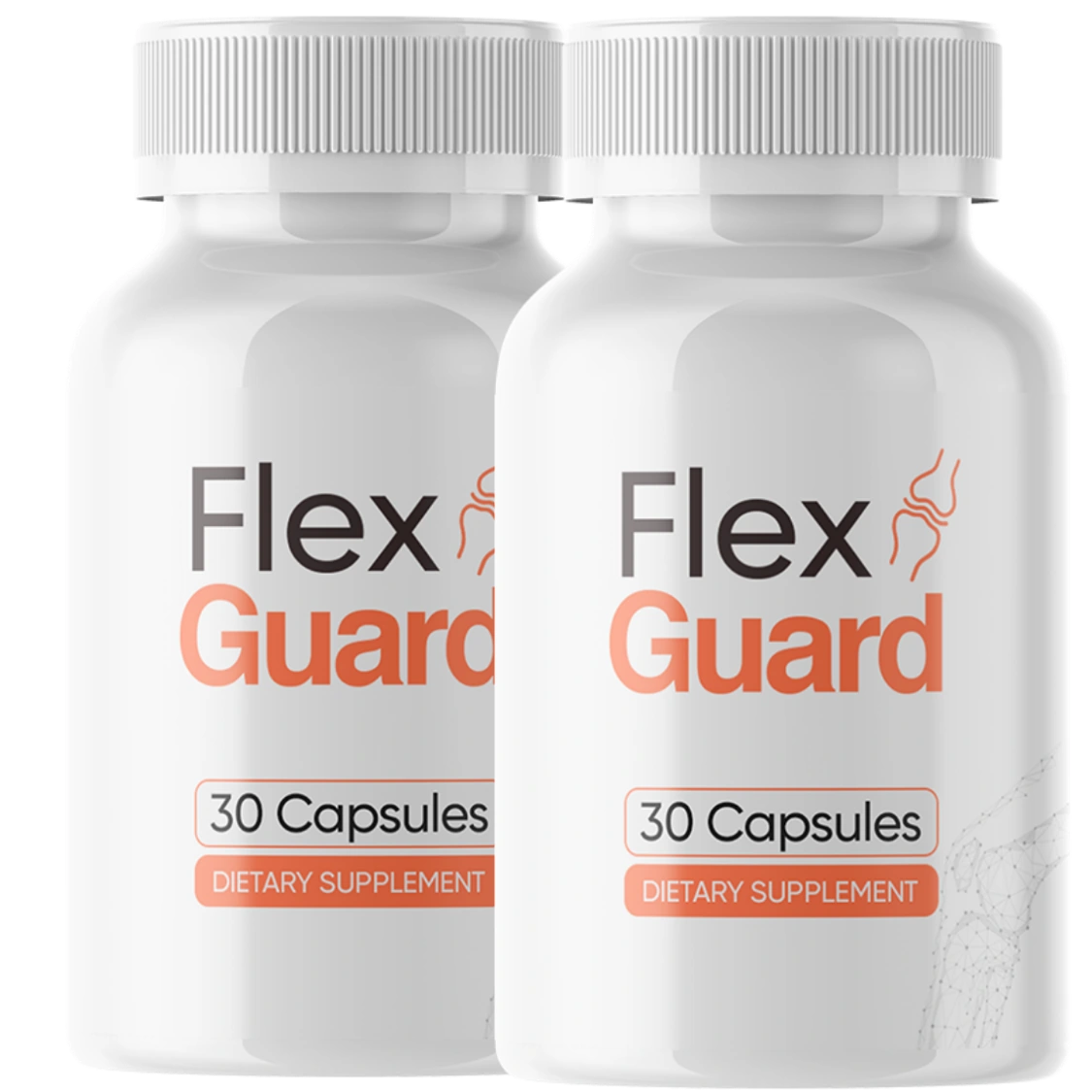
Many people reach for a joint supplement because a doctor said the word arthritis, or because a parent had it. It is a natural step. It is also a step that needs a clear head, because the gap between what a supplement can claim and what a diagnosis needs is wide.
Below we separate three things: what the research says, what FlexGuard claims in its own words, and what belongs with a clinician. No part of this page is medical advice for your own joints.
Do joint supplements help arthritis?
Arthritis is a medical diagnosis, and its care belongs with a clinician. A dietary supplement is not a treatment for it. Start from that line and the rest is easier to read.
Two sets of guidelines have looked at this ingredient class at full trial doses in people with diagnosed osteoarthritis. In 2019 the American College of Rheumatology advised against glucosamine for the knee, hip and hand. The 2019 OARSI guidelines would not endorse it for symptom relief either.
The trials themselves disagree. The large GAIT trial found no significant advantage over placebo across its whole group. Other work on one glucosamine sulfate preparation did report gains, and NCCIH describes the field as mixed. Some people say they feel better on these products. Research cannot promise that you will.
What does FlexGuard claim, and what does it leave out?
The seller names three things only. FlexGuard supports joint comfort. It supports mobility and everyday movement. It supports the body through everyday joint stress. These are structure and function statements, the only kind a dietary supplement may make, and the FDA has not evaluated them.
| Wording | Used by this seller? | Why |
|---|---|---|
| Supports joint comfort | Yes | A soft claim about everyday comfort, with no promise about a diagnosis |
| Supports mobility and everyday movement | Yes | Stays at the level of daily movement |
| Supports the body through everyday joint stress | Yes | Broad, and hard to measure in any trial |
| Treats, prevents or manages arthritis | No | No supplement may say this |
| Rebuilds cartilage | No | Thinned cartilage does not thicken because a capsule contains a part of it |
| Works like a painkiller | No | Nothing on the panel blocks a pain signal, and it does not act within an hour |
Source: the benefits, how-it-works and disclaimer pages on this site.
If a page about a joint supplement says it treats arthritis, treat the page with suspicion. The FTC publishes guidance on what a seller must be able to prove before making a health claim.
The checkout lists the three packs and the 60-day terms, and the label stays within comfort and mobility.
See today's price and guarantee
Disclosure: this desk earns from orders placed through the checkout on this site. BuyGoods, the retailer at the checkout, shows the current price.
Is FlexGuard an anti-inflammatory?
The word sounds like medicine, and FlexGuard is not a drug. The seller does not call it an anti-inflammatory. What can be said is narrower: four of its rows come from plants or enzymes that researchers study for their effect on inflammatory signalling.
- Boswellia, 67 mg. Close to the size of its own research, which used 100 to 250 mg of a concentrated extract.
- Turmeric root, 50 mg. One trial of 367 patients used 1,500 mg a day of a standardised extract and reported results comparable to ibuprofen. Fifty milligrams of root is a very different thing.
- Quercetin, 8 mg. Supplement studies start at 250 mg a day, and little of an oral dose is absorbed.
- Bromelain, 8 mg. Its trials used hundreds of milligrams, and no activity figure is printed here.
Studied for something is not the same as does something. At these amounts, only boswellia is in range, and no trial has tested the formula as a whole.
What do the pain relief reviews actually say?
The seller's summary shows 4.7 out of 5 from 1,080 written reviews, with 90% recommending it. Those are the seller's own figures, not verified transcripts. The comments supplied with them are about routine and patience. None describes pain relief.
One buyer, three stars, stopped at two bottles on day 23 because they wanted a faster change. Another gave four stars and said it was fair at a month but wanted more in week one. Six of eight reported that the daily habit stuck and that they reordered.
That fits the label. A capsule that supports comfort is not a tablet that dulls pain. If pain relief is what you need, that is a conversation with a clinician, not a reason to take more capsules. The label says not to exceed the recommended dose.
How do exercise and body weight compare with a capsule?
Better, on the evidence. The Cochrane review of exercise gathered 54 trials and found that land-based exercise helped both pain and function in knee osteoarthritis. NIAMS and MedlinePlus point to activity and body weight as the levers that count most.
That does not make a supplement pointless. It places the capsule where it belongs, beside those habits and never in their place.
When is joint pain a doctor question, not a supplement question?
Some signs call for an examination before anything else. Pain that is new, severe, on one side only, hot or swollen is one. Pain that followed an injury is another. Pain that gets worse while you take a capsule is a third.
The same goes for anyone under 18, and for anyone pregnant or nursing, since the label excludes them. Stop at once and seek medical help for a rash, swelling or trouble breathing, because the panel declares shellfish.
How should you talk to your doctor about taking FlexGuard?
Bring the bottle, or the facts on it. NCCIH advises telling the clinician you already see about everything you take. Ask two plain questions: is it safe with my medicines, and does it fit my diagnosis? If you take warfarin, raise it before the first capsule, since glucosamine has been reported to raise INR.
| Item | What the FlexGuard label and site publish |
|---|---|
| Serving | 1 capsule daily, 30 capsules a bottle |
| Actives | 8 rows, 699 mg in total, every amount printed |
| Allergen | Contains: Shellfish (Crayfish) |
| Caution | Not for under 18, pregnant or nursing; consult a physician if on a medication or with a medical condition |
| Lot | FLE-26/FL-2166 |
| Guarantee | 60 days from the date of purchase, every pack |
Source: the printed label and the guarantee page.
- Arthritis is a diagnosis for a clinician. Supplements are not treatments for it.
- The 2019 ACR guideline advised against glucosamine for knee, hip and hand osteoarthritis. The 2019 OARSI guidelines did not endorse it for symptom relief.
- FlexGuard claims joint comfort, mobility and support through everyday joint stress, and nothing more.
- It is not a drug, not an anti-inflammatory medicine, not FDA approved, and not a painkiller.
- Only the boswellia row (67 mg) is near its research amount.
- Tell your doctor you take it, and say so before the first capsule if you take warfarin.
- The guarantee runs 60 days from the date of purchase on every pack.
Frequently asked questions
Do joint supplements help arthritis?
Research is mixed. Two 2019 guidelines did not back glucosamine for diagnosed osteoarthritis at full doses, and GAIT found no significant gain overall. Supplements are not treatments, so discuss any diagnosis with your doctor.
Does FlexGuard treat arthritis?
No. The seller claims only joint comfort, mobility and support through everyday joint stress. It does not treat, prevent or manage arthritis or any other condition.
Is FlexGuard an anti-inflammatory?
It is a dietary supplement, not an anti-inflammatory drug. Four of its rows are studied for effects on inflammatory signalling, but only boswellia is near its research amount.
Can I take FlexGuard instead of my arthritis medicine?
No. It is not a substitute for a prescription. Do not stop or change any prescribed treatment without speaking to the clinician who gave it to you.
Does FlexGuard work as a pain reliever?
The seller does not claim that. Nothing on the panel blocks a pain signal, and buyers report waiting about 3-6 weeks. Pain that is severe or getting worse needs a medical examination.
Should I tell my doctor I take FlexGuard?
Yes. Name every supplement you take, and mention warfarin or other blood thinners and any shellfish allergy first. Your doctor can check it against your medicines and your joints.
Our view
The honest answer to the title question is: maybe a little for some people, and never as a treatment. That is a smaller promise than most joint pages make, and it is the one the research supports.
FlexGuard keeps its claims small, which we count in its favour. We would add one more line of our own. If you have been told you have arthritis, treat the capsule as an extra, keep your appointments, and write down two measurements so you can judge it fairly inside the 60 days.
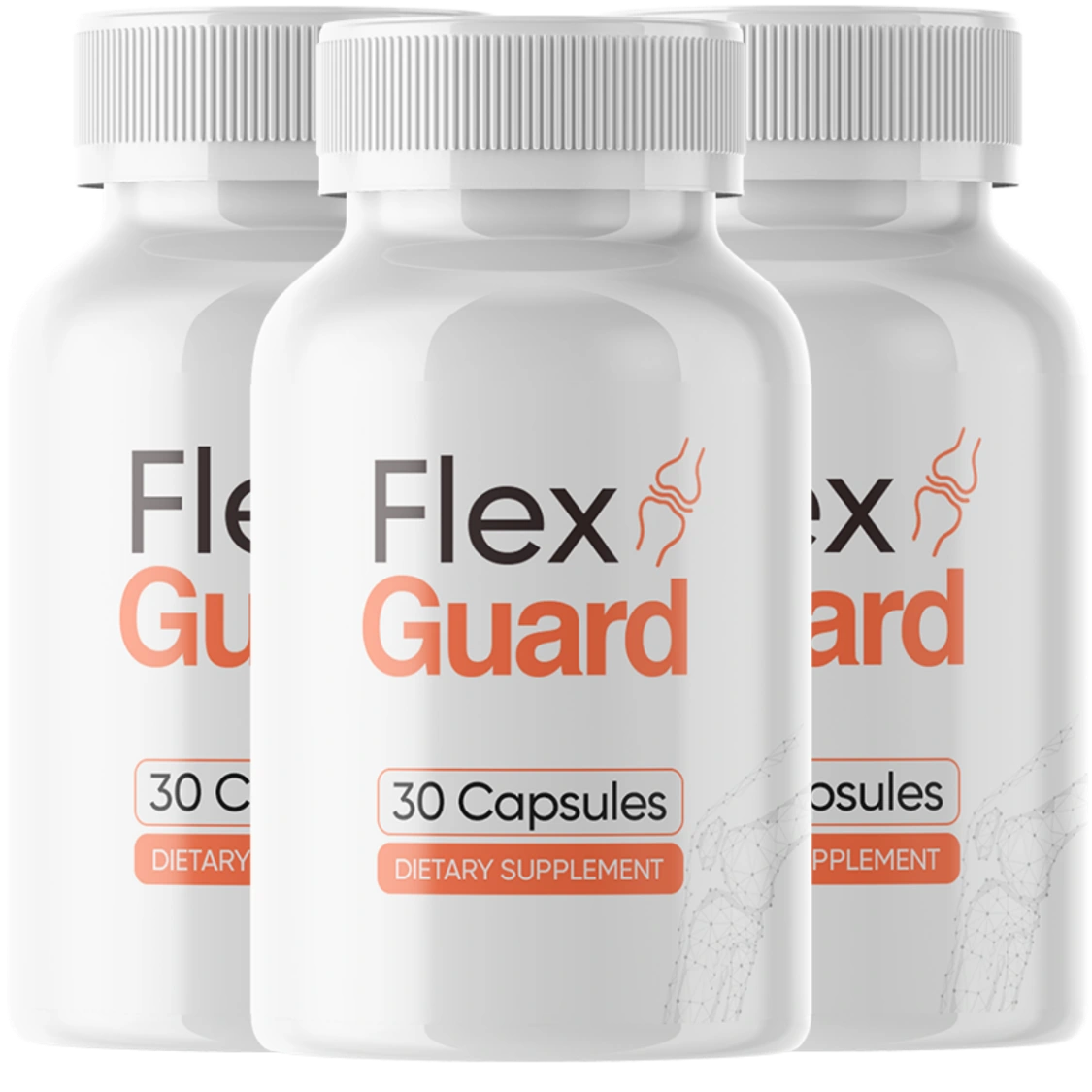
If your doctor is fine with it, the official checkout shows what each pack costs today.
See today's price and guarantee
Disclosure: this desk earns from orders placed through the checkout on this site. BuyGoods, the retailer at the checkout, shows the current price.
FlexGuard is a dietary supplement. It is not a drug, it is not FDA approved, and no dietary supplement is. These statements have not been evaluated by the Food and Drug Administration. This product is not intended to diagnose, treat, cure or prevent any disease. Ask a doctor about your own health, medicines and joints.
Sources named on this site
- The 2019 American College of Rheumatology guideline
- The 2019 OARSI guidelines
- The GAIT trial
- NCCIH on glucosamine and chondroitin
- A 367-patient trial against ibuprofen
- The 5-Loxin trial
- A review of the bromelain trials
- The German federal safety review of quercetin
- A case report and MedWatch review
- The Cochrane review of exercise
- The National Institute of Arthritis and Musculoskeletal and Skin Diseases
- MedlinePlus on osteoarthritis
- NCCIH on choosing a supplement
- The FTC health products compliance guidance
Last updated