FlexGuard Official Website › Blog › Do Any Joint Supplements Really Work?
Do Any Joint Supplements Really Work? What the Big Studies and Guidelines Say
The evidence is mixed. GAIT found no significant gain for its whole group, Cochrane reviews found results that depended on the preparation, and two 2019 guidelines do not back glucosamine for diagnosed osteoarthritis. Exercise has far stronger support. A supplement such as FlexGuard is an optional extra to test on yourself and discuss with your doctor.
Pick any week and you can find a headline saying joint supplements work and another saying they do not. Both can quote a real study. The way through is to look at the biggest pieces of evidence one by one, say what each one actually measured and then ask what is left for a modest capsule.
This page does that in plain words. It uses only the sources named on this site, and it says where the sources stop.
Do joint supplements really work, or does comfort just come and go?
Both can be true at once. Joint comfort moves on its own with weather, sleep, weight and activity. A good fortnight can be credited to a capsule that did nothing, and a bad one can be blamed on its absence.
That is why a single story is a poor test and why large, controlled trials exist. They compare groups, not moods. The results of those trials are what follow.
What did GAIT, the largest trial, find?
GAIT split 1,583 people into five groups: glucosamine, chondroitin, both together, celecoxib or placebo. Glucosamine ran at 1,500 mg a day and chondroitin at 1,200 mg. For the group as a whole, neither supplement separated significantly from placebo.
It is a result worth knowing, and it is not the last word. It tested particular products at particular doses in a particular group, and other work reached other conclusions.
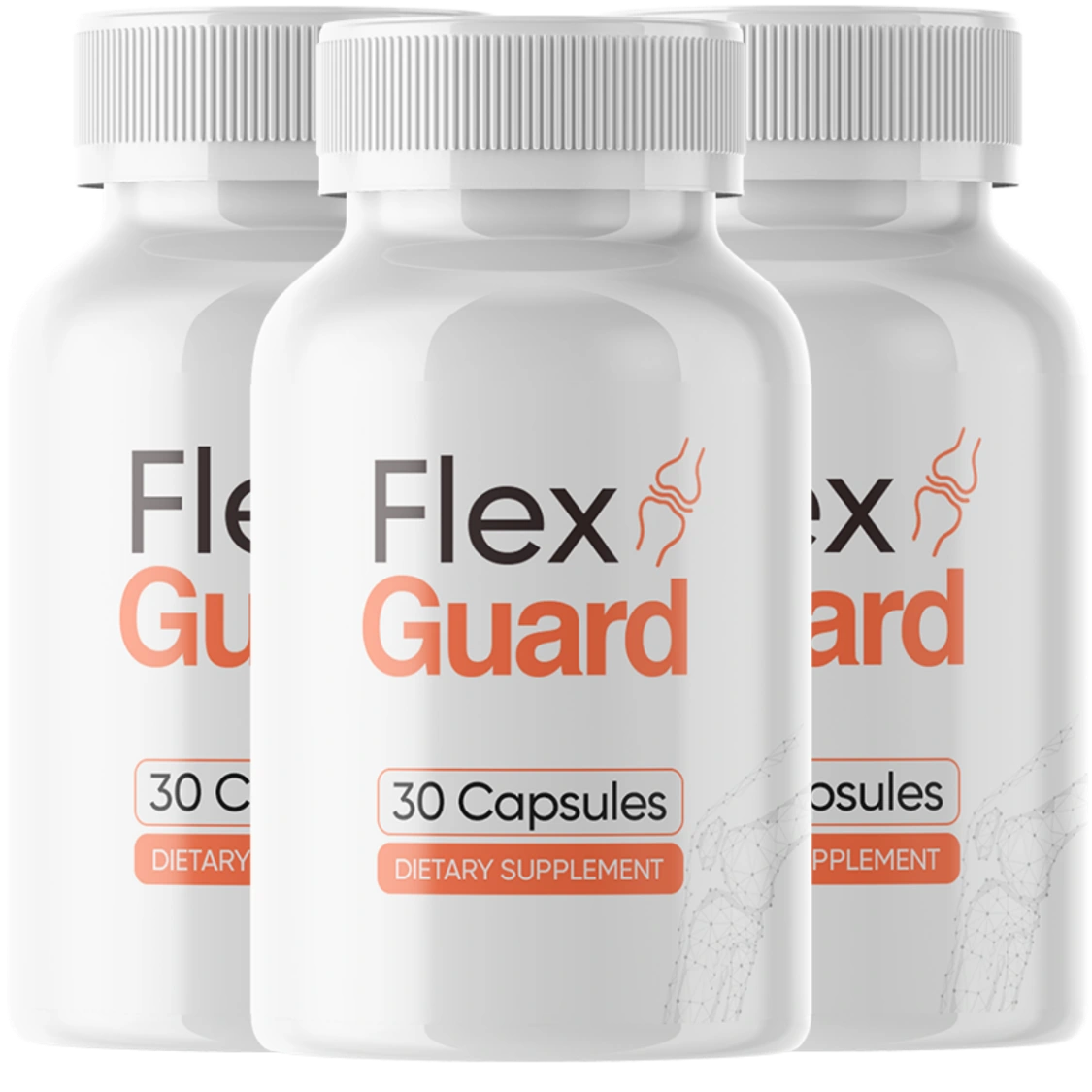
Three bottles cover 90 days, and the 60-day guarantee counts from the day you pay.
See today's price and guarantee
Disclosure: this desk earns from orders placed through the checkout on this site. BuyGoods, the retailer at the checkout, shows the current price.
What did the Cochrane reviews of glucosamine and chondroitin find?
The glucosamine review pooled twenty studies in 2,570 people. It found that the answer depended on which product was tested. One glucosamine sulfate product beat placebo, while the pooled other preparations did not. A separate three-year trial of glucosamine sulfate at 1,500 mg a day reported changes in symptoms and joint space.
The chondroitin review pooled 43 trials in 9,110 people. It found a small improvement in pain against placebo, graded it low quality and noted that the effect shrank in the larger, better-run studies.
What do the 2019 ACR and OARSI guidelines recommend?
Two professional guidelines looked at the whole pile in 2019. The American College of Rheumatology recommended against glucosamine for knee, hip and hand osteoarthritis. The OARSI guidelines would not endorse it for symptom relief either.
Both speak about a diagnosed condition and full trial doses. Neither answers a different question: whether a modest dose helps everyday comfort in someone with no diagnosis. Nobody has run that trial.
What do NCCIH and the Arthritis Foundation add?
NCCIH calls the evidence on glucosamine and chondroitin mixed and the boswellia field small and uneven. On turmeric it notes that curcumin taken alone is poorly absorbed. Its short guide to choosing a supplement carries the most practical advice: tell the clinician you already see about everything you take.
The Arthritis Foundation's supplement guide covers the same families of ingredients. It is written by an organisation with nothing to sell in this transaction, which makes it a useful outside read.
What does all this mean for a modest capsule like FlexGuard?
The studies above tested single ingredients at set doses. The table puts that beside what a FlexGuard capsule holds.
| Source | What it tested | What it found |
|---|---|---|
| GAIT | Glucosamine 1,500 mg, chondroitin 1,200 mg, both, celecoxib, placebo | No significant gain over placebo for the whole group |
| Cochrane, glucosamine | 20 studies, 2,570 people | Depended on the preparation |
| Cochrane, chondroitin | 43 trials, 9,110 people | Small, low-quality gain in pain |
| 2019 ACR guideline | This ingredient class in osteoarthritis | Advised against glucosamine |
| 2019 OARSI guidelines | The same class | Did not endorse for symptom relief |
| FlexGuard capsule | 500 mg glucosamine, 50 mg chondroitin, six smaller rows | No trial of this formula exists |
Sources: the references named on this site and the printed label.
FlexGuard sits outside this evidence, not against it. Its glucosamine is a third of the trial amount, and only boswellia is near its research dose.
What has better evidence than any capsule?
Exercise. The Cochrane review of exercise gathered 54 trials and found that land-based exercise improved pain and physical function in knee osteoarthritis. NIAMS and MedlinePlus both point to activity and body weight as what helps.
No ingredient in this aisle has a result of that size behind it. That does not rule out a capsule. It tells you which habit to protect first.
How should you decide whether to try one?
- Check with your doctor, especially if you take medicine. Warfarin deserves a mention before the first capsule.
- Choose a bottle that prints every amount, keeps its claims plain and gives you a fair refund window.
- Write down two measurements, take it for a month without other changes, and repeat them at week eight.
- Decide before the refund window closes. If both numbers are flat, ask for your money back and keep walking.
That sequence suits any bottle, including this one. It trades a leap of faith for a small, honest experiment.
- GAIT (1,583 people): neither supplement beat placebo significantly across the whole group.
- Cochrane, glucosamine: 20 studies, 2,570 people. The result depended on the preparation.
- Cochrane, chondroitin: 43 trials, 9,110 people. A small gain in pain, graded low quality.
- The 2019 ACR guideline advised against glucosamine for knee, hip and hand osteoarthritis.
- Exercise: 54 trials pooled in the Cochrane review showed help for pain and function.
- No trial of the FlexGuard formula exists, and its glucosamine is a third of the trial dose.
- FlexGuard is a supplement, not a drug, and the guarantee runs 60 days from purchase.
Frequently asked questions
Do any joint supplements really work?
The evidence is mixed. Some studies of one glucosamine sulfate product found benefit, GAIT found none across its whole group, and two 2019 guidelines do not back glucosamine for diagnosed osteoarthritis.
What did the GAIT trial find?
GAIT put 1,583 people into five groups. For the group as a whole, neither glucosamine nor chondroitin separated significantly from placebo.
Do the guidelines say to avoid glucosamine?
The 2019 ACR guideline advised against it for knee, hip and hand osteoarthritis, and the 2019 OARSI guidelines did not endorse it for symptom relief. Both speak about diagnosed osteoarthritis at full doses.
Is there a trial of FlexGuard itself?
No. No trial of this formula at these amounts has been run. The evidence is for single ingredients, mostly at larger doses.
What works better than a supplement for knees?
Exercise has the larger evidence base. The Cochrane review pooled 54 trials and found land-based exercise improved pain and physical function in knee osteoarthritis.
Should I still try a joint supplement?
That is your choice. Talk to your doctor, pick a bottle with printed amounts and plain claims, and test it against two measurements inside a refund window.
Our view
The fair summary is modest. Some evidence points one way, some points the other, and the strongest evidence in the field belongs to exercise. A supplement can sit beside those habits. It cannot honestly claim to replace them.
For a product like FlexGuard, we would add one line: it is an untested formula of mostly low doses with a very clear label. If that suits you, treat it as an experiment, not a promise. Your doctor knows your joints better than any page does.
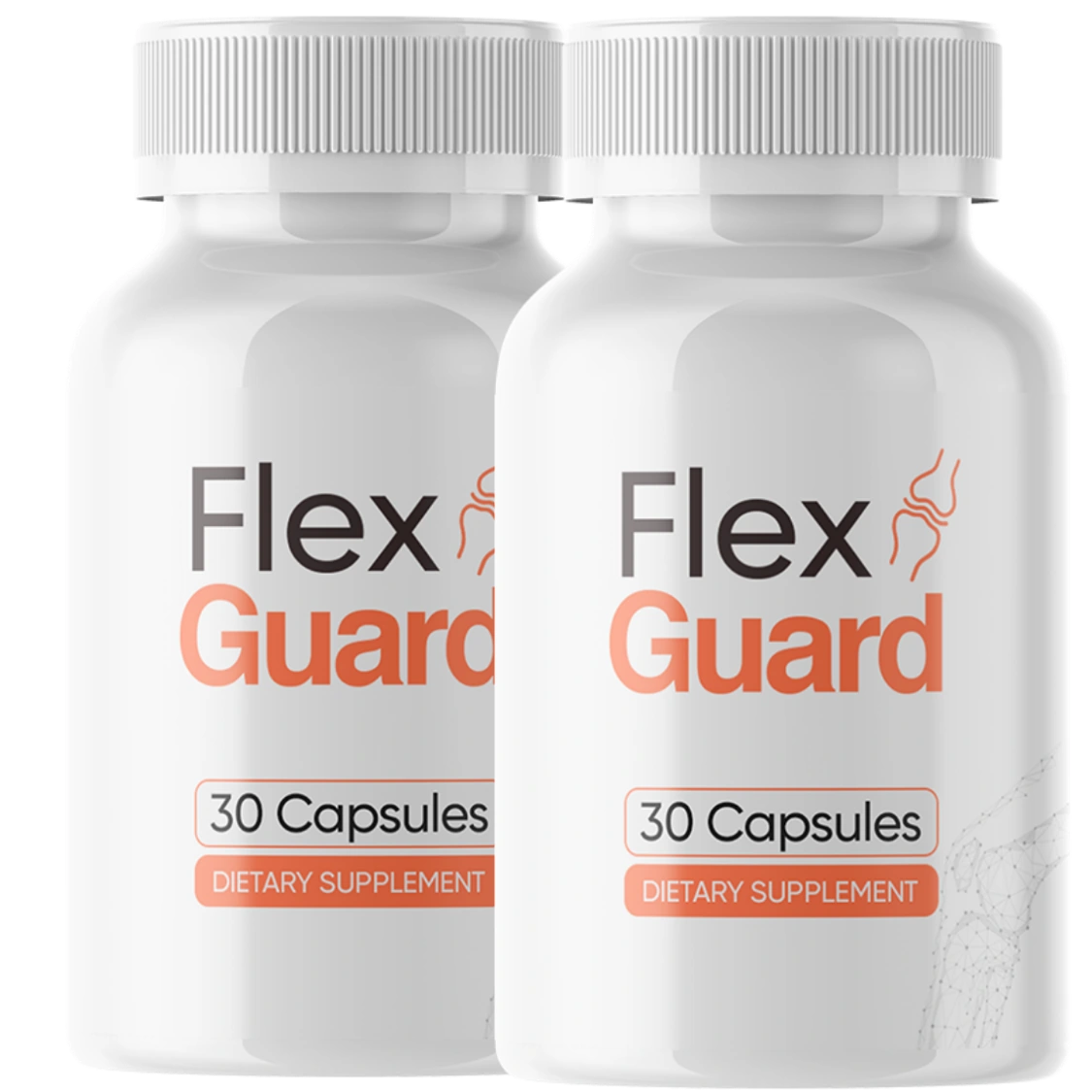
The official checkout lists the current price for each pack and the guarantee that comes with it.
See today's price and guarantee
Disclosure: this desk earns from orders placed through the checkout on this site. BuyGoods, the retailer at the checkout, shows the current price.
FlexGuard is a dietary supplement. It is not a drug, it is not FDA approved, and no dietary supplement is. These statements have not been evaluated by the Food and Drug Administration. This product is not intended to diagnose, treat, cure or prevent any disease. Ask a doctor about your own health, medicines and joints.
Sources named on this site
- The GAIT trial
- The Cochrane review of glucosamine
- The three-year Lancet trial
- The Cochrane review of chondroitin
- The 2019 American College of Rheumatology guideline
- The 2019 OARSI guidelines
- NCCIH on glucosamine and chondroitin
- NCCIH on boswellia
- NCCIH on turmeric
- The Arthritis Foundation supplement guide
- The Cochrane review of exercise
- The National Institute of Arthritis and Musculoskeletal and Skin Diseases
- MedlinePlus on osteoarthritis
- NCCIH on choosing a supplement
Last updated