FlexGuard Official Website › Blog › Are Joint Supplements a Scam?
Are Joint Supplements a Scam, or Are They Worth Taking?
Joint supplements are not a scam by default, but the category is easy to oversell. The research on the main ingredients is mixed, and many labels hold far less than the trials used. Read the milligram column, doubt any cure claim, and keep a refund window open while you test one.
People type this question into a search box because they have been burned or because they are about to be. Either way, the doubt is fair. Joint supplements are sold with big promises, the science behind them is argued over, and the first results from any bottle are slow.
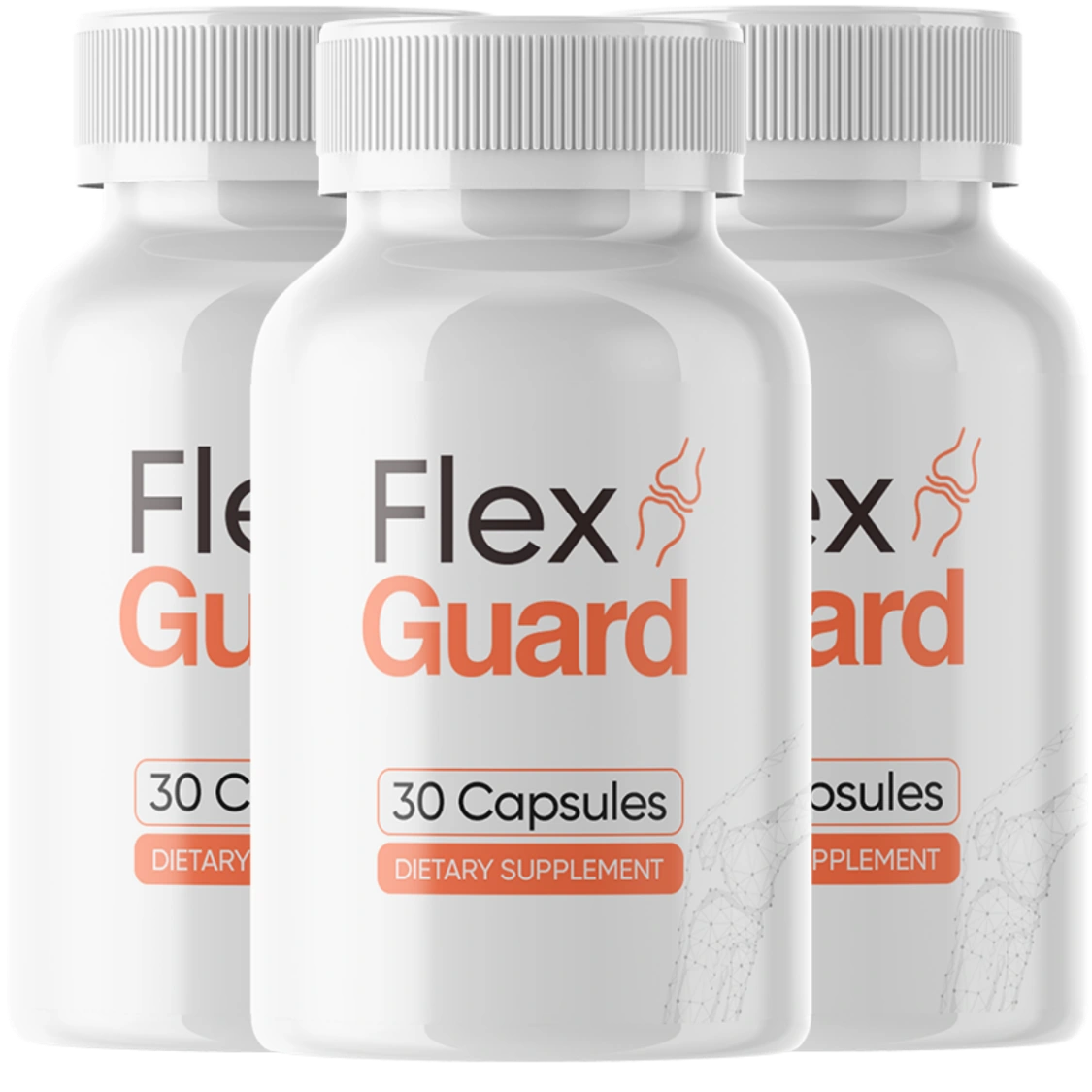
This page does not try to talk you into a bottle. It sets out what the research found, which label tricks to watch for, and how to test one product on your own joints. FlexGuard, the capsule sold on this site, goes through the same checks, including the ones it does badly on.
Why do so many people ask if joint supplements are a scam?
Three things feed the doubt. The first is the size of the promises. Some sellers say a capsule will rebuild cartilage or treat arthritis. No dietary supplement may say that, and a page that does is telling you something about itself.
The second is speed. This is a slow category. Buyers of FlexGuard are said to wait 3-6 weeks for a change, and the published trials behind these ingredients lasted eight to twelve weeks. Expect a result in seven days and almost any bottle will feel like a letdown.
The third is the label. Many joint products hide their amounts behind a blend total. Others list a famous ingredient in a tiny dose. Both tricks let a bottle look strong while holding very little of what the research used.
Are joint supplements legit, or does the research say they do nothing?
The honest answer sits in the middle. The research is large, and it does not agree with itself. Here is what the main studies found.
- GAIT. A trial that split 1,583 people into five groups: glucosamine (1,500 mg daily), chondroitin (1,200 mg daily), both, celecoxib (a prescription drug) or placebo. Looking at everyone together, neither supplement beat the placebo by a significant margin.
- Cochrane review of glucosamine. It pooled twenty studies in 2,570 people. The result depended on the preparation. One glucosamine sulfate product beat placebo, and the pooled other preparations did not.
- Cochrane review of chondroitin. It pooled 43 trials in 9,110 people and found a small gain in pain against placebo. The reviewers graded it low quality, and the gain shrank in the larger, better-run studies.
- Guidelines. The American College of Rheumatology advised against glucosamine for osteoarthritis of the knee, hip and hand in 2019. The OARSI guidelines of the same year stopped short of backing it for symptom relief.
Both guidelines speak about a diagnosed condition at full trial doses. They do not speak about a modest capsule taken for everyday comfort. NCCIH sums the field up as mixed. That is the fair reading: not proven, and not disproven.
FlexGuard is one capsule a day, every amount is printed on the label, and the 60-day guarantee covers every pack.
See today's price and guarantee
Disclosure: this desk earns from orders placed through the checkout on this site. BuyGoods, the retailer at the checkout, shows the current price.
Are joint supplements effective compared with other things you can do?
A Cochrane review gathered 54 trials and found that exercise done on land eased pain and improved physical function in people with knee osteoarthritis. Nothing in the capsule aisle has a body of results that large or that steady.
NIAMS and MedlinePlus both list activity and body weight among the biggest levers for joints. Treat a supplement as something added on top of those habits, never as a swap for them.
None of this makes a capsule pointless. It makes it an extra. If a seller tells you the capsule replaces walking, strength work or a doctor's visit, close the page.
Which label tricks make a joint supplement look like a scam?
Most of the damage comes from six habits. Learn them and you can sort a shelf of bottles quickly.
| Trick | What it looks like | What to check instead |
|---|---|---|
| A blend total | One number for many ingredients | Whether each row prints its own amount. A blend means no row can be held against its research. |
| Famous name, tiny dose | An ingredient listed in milligrams where its trials used grams | The unit. MSM trials ran in grams, and glucosamine trials used 1,500 mg a day. |
| Extract with no ratio | Boswellia or turmeric shown as a weight and nothing else | An AKBA figure for boswellia, a curcuminoid percentage for turmeric. |
| Disease claims | Words like treats, cures, prevents or manages arthritis | Claims that stay at comfort, mobility and everyday joint stress. |
| Invented savings | A crossed-out price nobody can check | Whether the seller publishes a comparison price at all. |
| A rating with no context | A star score and no day counts | Whether reviews say how long people took it and what else changed. |
Drawn from the joint supplement guide and the nine-point checklist on this site.
Are joint supplements safe to take?
For many healthy adults they are, but not for everyone, and they can clash with medicines. The FlexGuard label says it is not for anyone under 18 or for pregnant or nursing mothers. It also asks anyone on a medicine, or living with a health condition, to speak to a physician before use.
Most glucosamine comes from crustacean shell, so labels often declare shellfish. The FlexGuard panel reads "Contains: Shellfish (Crayfish)", so people with a shellfish allergy, vegans and vegetarians should skip it. There is also a report of glucosamine raising INR in people on warfarin, so ask your prescriber before the first capsule.
One more line matters. A joint that has turned painful quickly, swollen, hot, sore on one side only, or hurt in a fall, needs a clinician to look at it. That is not a job for a capsule.
Is a joint supplement worth taking, and how does FlexGuard hold up?
Run the same checks on the capsule sold here. The table lists what the label, the price page and the guarantee page publish.
| What you can check | What FlexGuard publishes |
|---|---|
| Amount for every row | Yes. Eight rows, 699 mg in total, and no proprietary blend |
| Largest row against the trials | Glucosamine sulfate at 500 mg per capsule, one third of the daily 1,500 mg the trials gave |
| Row closest to its research | Boswellia serrata, 67 mg |
| Smallest rows | Four rows at 8 mg each |
| Disease claims | None. The seller's wording stops at comfort, mobility and everyday joint stress |
| Price | On the seller's page of 19 September 2026: $158 (two bottles), $207 (three) and $294 (six). No crossed-out price |
| Guarantee | Counted from the day you buy, 60 days, and opened bottles qualify |
| A trial of the formula | None. Nobody has run a trial on this exact formula at these amounts |
Source: the printed label, the pricing page and the guarantee page.
Whether it is worth it depends on what you want. If you want one capsule a day with every amount printed, it fits. If you want the glucosamine dose the big trials used, it does not, and a different product would suit you better.
How can you test a joint supplement without wasting money?
Treat the first two months as an experiment with a deadline. The steps are short.
- Write down the purchase date. The 60-day refund window opens the day you pay.
- Before you start, note two things: how many minutes your joints take to loosen in the morning, and how far you can walk before one begins to bother you.
- Hold everything else steady for a month. A new capsule, new shoes and a new walking plan in one week leave you with no idea which did what.
- Repeat both measurements at week four and again at week eight.
- Decide before day 60. If both numbers are flat and you would rather have the money, ask for the refund.
That routine costs a few minutes in total. It turns a vague feeling into an answer, and it works for any bottle, not only this one.
- The research on glucosamine and chondroitin is mixed. GAIT found no significant gain over placebo for the whole group.
- Two 2019 guidelines do not back glucosamine for diagnosed osteoarthritis at full doses.
- Exercise has the larger trial base: 54 trials pooled in the Cochrane review.
- FlexGuard prints all eight amounts (699 mg in total) and makes no disease claim.
- The glucosamine row holds 500 mg. The major trials used three times that, 1,500 mg daily.
- Packs cost $158, $207 and $294, with a 60-day guarantee from the date of purchase.
- Crayfish-derived glucosamine means shellfish is declared. Skip it with a shellfish allergy or on a vegan diet.
Frequently asked questions
Are joint supplements a scam?
Not as a whole. The research on the main ingredients is mixed, and some products are oversold. Judge each bottle by its printed amounts, its claims and its refund terms, not by the category name.
Are joint supplements legit and effective?
The evidence is mixed. The big GAIT trial saw no significant edge over placebo overall, yet some studies of one glucosamine sulfate preparation did report benefit. Nobody has trialled the FlexGuard formula itself.
Are joint supplements worth it?
That depends on the amount, the price and what you see yourself. A fair test lasts 60 days: note two measurements before you start, repeat them at week eight, and stay inside a refund window.
Are joint supplements safe?
For many healthy adults, yes, but not for everyone. Shellfish allergy, warfarin, pregnancy, nursing and age under 18 are the main flags on the FlexGuard label. Ask a doctor first if you take any medicine.
Should I take a joint supplement instead of exercise?
No. Exercise has the larger body of trial evidence for knee osteoarthritis. A supplement is an add-on to movement and weight care, not a replacement for either.
Is FlexGuard a scam?
This site sells it, so check the facts yourself. The full panel is printed, the claims stop at joint comfort, and a 60-day refund policy applies. Its weak point is dose, since most rows sit below trial amounts.
Our view
Calling every joint supplement a scam is lazy, and calling every one a breakthrough is worse. The fair position is narrower. The research is mixed, the amounts on labels vary a lot, and the best-studied ingredient was tested at three times the amount in a FlexGuard capsule.
If you still want to try one, pick a bottle that prints every amount, makes no cure claim and gives you a long refund window. FlexGuard meets those three tests. It does not meet the dose test, and we would rather say so. Talk to your doctor first if you take medicine, then run the 60-day test and let your own numbers decide.
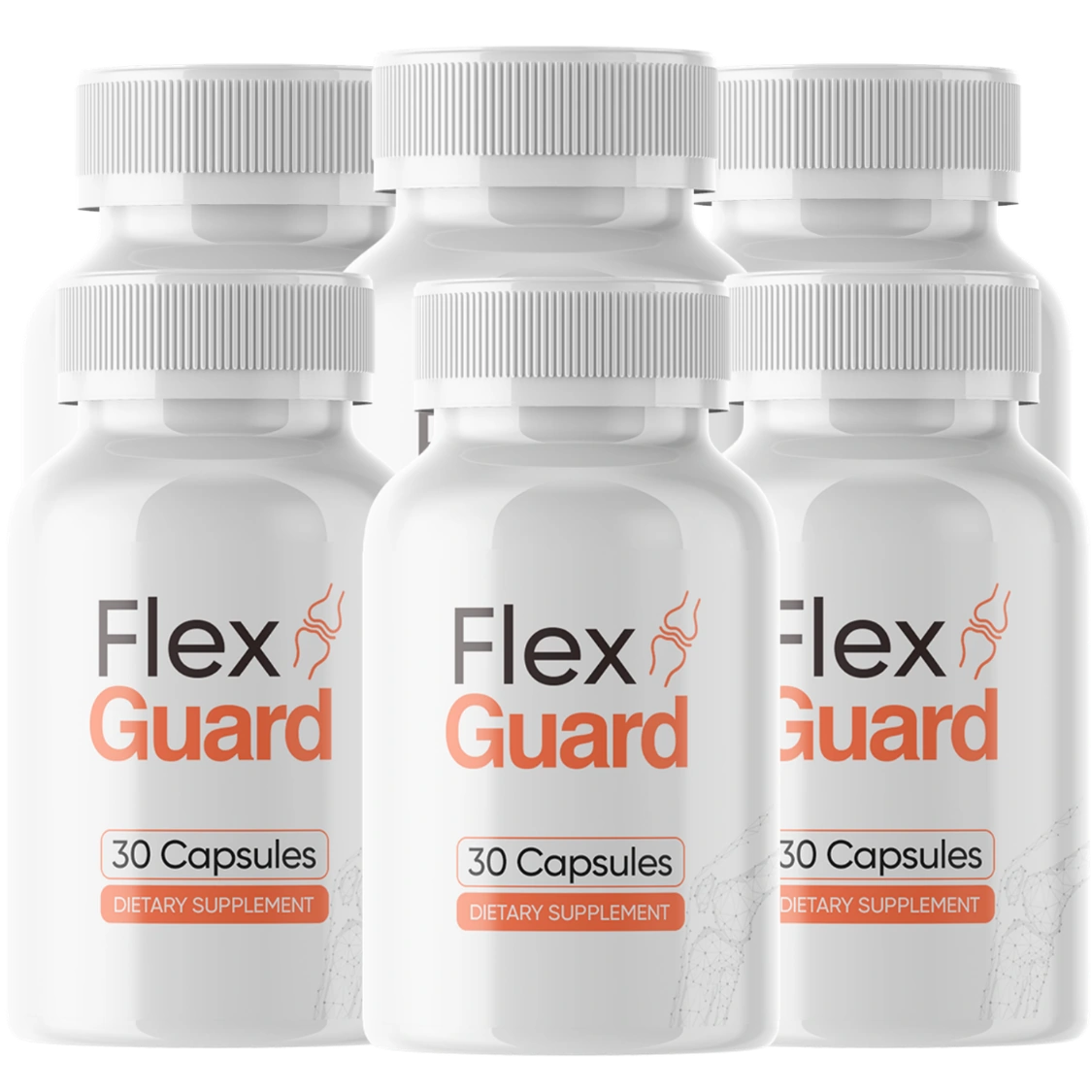
The seller's checkout is where today's price and your own delivery charge appear, and nothing on this page pushes you to buy.
See today's price and guarantee
Disclosure: this desk earns from orders placed through the checkout on this site. BuyGoods, the retailer at the checkout, shows the current price.
FlexGuard is a dietary supplement. It is not a drug, it is not FDA approved, and no dietary supplement is. These statements have not been evaluated by the Food and Drug Administration. This product is not intended to diagnose, treat, cure or prevent any disease. Ask a doctor about your own health, medicines and joints.
Sources named on this site
- The GAIT trial
- The Cochrane review of glucosamine
- The Cochrane review of chondroitin
- The 2019 American College of Rheumatology guideline
- The 2019 OARSI guidelines
- The Cochrane review of exercise
- NCCIH on glucosamine and chondroitin
- The National Institute of Arthritis and Musculoskeletal and Skin Diseases
- MedlinePlus on osteoarthritis
- NCCIH on choosing a supplement
- The FTC health products compliance guidance
Last updated